Hidden Gems In Brighton: Unusual Things To Do Off The Seafront
A local guide to hidden gems in Brighton: Seven Dials, the twittens, Volk's Railway, backstreet murals and Kemptown, plus the bus stops that reach them.
 By Oliver Bennett, Brighton bus tour guide & local sightseeing specialist
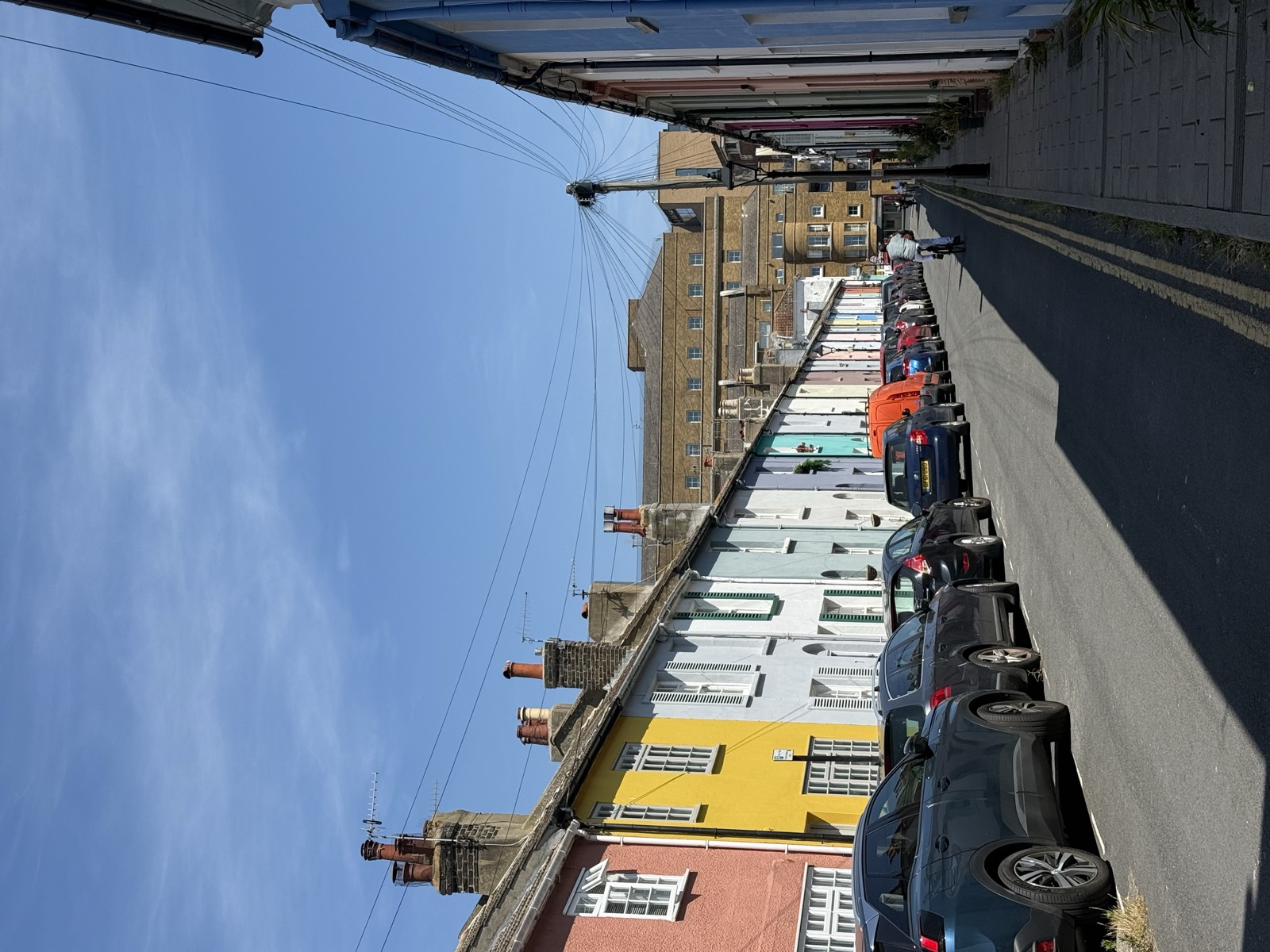
Most people who visit Brighton for a day never get more than three streets from the sea. The pier, the Lanes, a plate of chips, the beach. That is a fine day, but it is the postcard, and the town keeps its better stories a little further back. I have guided here since 2022, and the questions I enjoy most are the ones that start with "where do locals actually go?" So here is my honest list of the quieter, odder corners, and how you reach them without wearing your legs out.
You can plan this independently from the answers below. If you would rather give the day a bookable backbone, Fun, Flexible Treasure Hunt Around Brighton with Cryptic Clues & Hidden Gems is the closest verified fit.
Booking Choice: Start with Fun, Flexible Treasure Hunt Around Brighton with Cryptic Clues & Hidden Gems when mobile treasure maps matters most. Use the selector after the full guide to switch to a meaningfully different experience or keep the day independent. Explore Fun, Flexible Treasure Hunt Around Brighton with Cryptic Clues & Hidden Gems
What Are The Best Hidden Gems In Brighton?
The Brighton most visitors miss sits just inland: Seven Dials with its village feel, the twittens threading between the Lanes, Volk's Electric Railway along the eastern beach, the street art of North Laine and Kemptown, and the painted Regency terraces of Kemp Town. All of them lie within a short hop of the seafront.
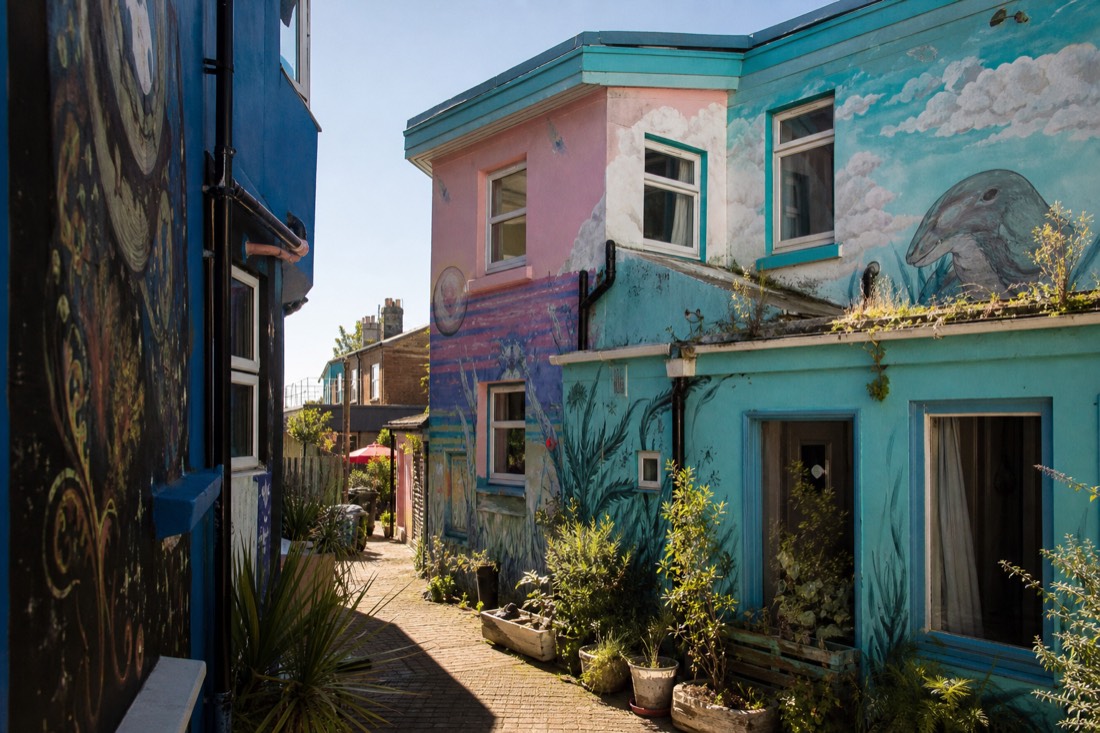
None of these needs a ticket, and none is hard to find once you know it exists. What makes them feel hidden is that they hide in plain sight, one street back from where the crowds turn around. I will take them roughly west to east, which is also the direction the open-top loop runs, so you can pick them off in one arc if your feet have had enough.
| Hidden gem | What it is | Nearest bus stop |
|---|---|---|
| Seven Dials | Leafy residential hub, indie cafes, a real neighbourhood feel | Stop 5, Seven Dials |
| The twittens | Narrow medieval alleys threading the old town | Stop 7, Jubilee Clock Tower |
| North Laine street art | Murals, shutters and hand-painted shopfronts | Stop 7, Jubilee Clock Tower |
| Volk's Electric Railway | The world's oldest operating electric railway | Stop 12, Paston Place |
| Kemptown | Pastel Regency terraces, painted doors, quiet squares | Stop 12, Paston Place |
Where Is Seven Dials And Why Go?
Seven Dials is a residential quarter a five-minute walk uphill from Brighton Station, named for the roundabout where seven roads meet. It has no big sights, and that is the point: independent coffee shops, a green centre, and the calm of a place that belongs to the people who live there rather than to tourists.
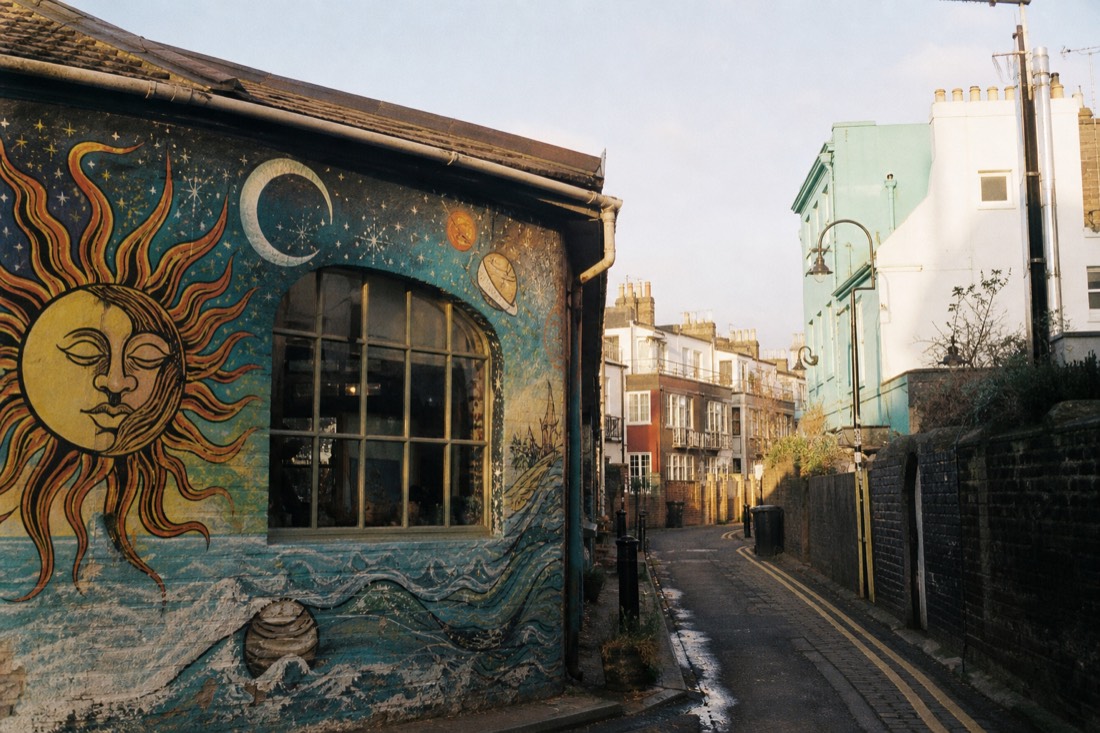
I send visitors here when they say they have "done" the seafront and want to feel like they live in Brighton for an hour. Grab a coffee, sit on one of the benches at the junction, and watch the town go about its morning. The Georgian and Victorian houses on the side streets are handsome without shouting about it. It is also a good staging point if you are catching a train, since the station sits just downhill. The bus stops here at Stop 5, so you can drop in and rejoin the loop later without doubling back.
What Are The Twittens, And Can You Still Walk Them?
Twitten is an old Sussex word for a narrow footpath squeezed between walls or buildings, and Brighton is laced with them. The Lanes themselves are a maze of these old fishing-town alleys, too tight for cars, lined with jewellers, record shops and tucked-away pubs. You walk them for free, and getting a little lost is the correct way to do it.
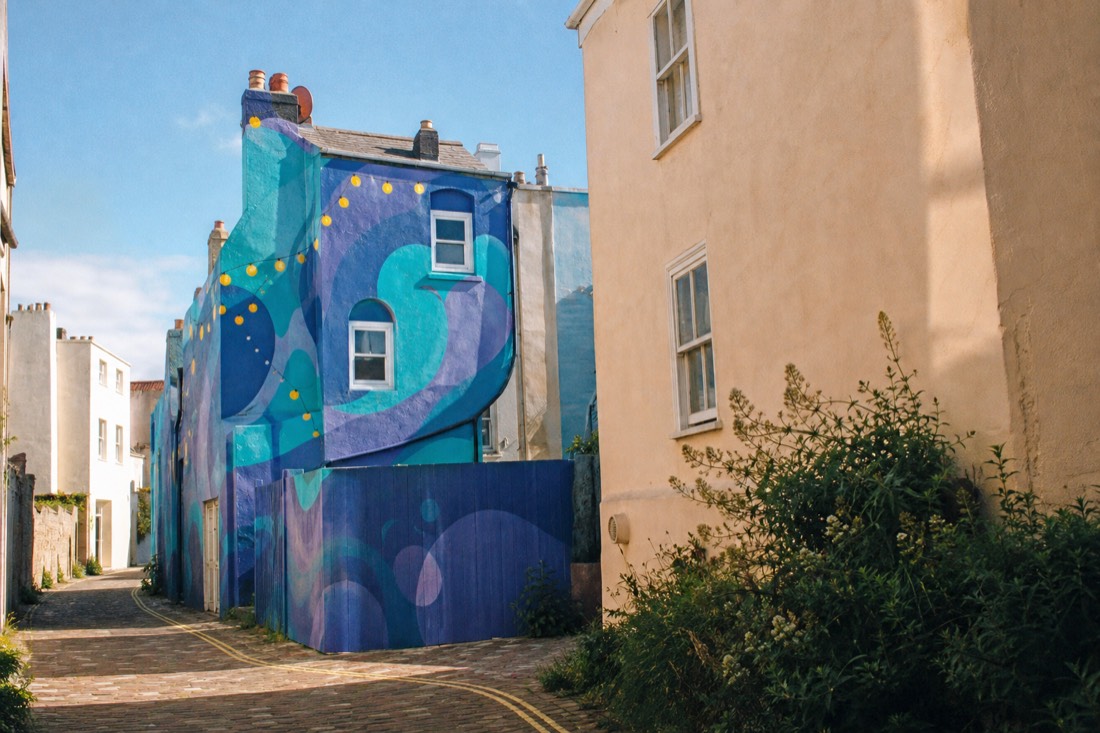
The Lanes are on every itinerary, yet most people stick to the two or three widest passages and never slip into the skinny ones. Those are the twittens, and they are where the good finds are: a courtyard you did not expect, a doorway to a basement bar, a shop the width of a wardrobe. There is real history under your feet here, since these alleys trace the layout of the original fishing village of Brighthelmstone. You can read more about the area's odd geometry on the Wikipedia entry for the Lanes, then go and ignore the map on purpose. If you'd rather have the twittens' history walked and told, the small-group Brighton Story tour of the old town is a separate booking, and you can see the small-group walk here. If you want the polished version of this neighbourhood, my guide to the Lanes sets out where to start.
Where Do You Find Brighton's Street Art?
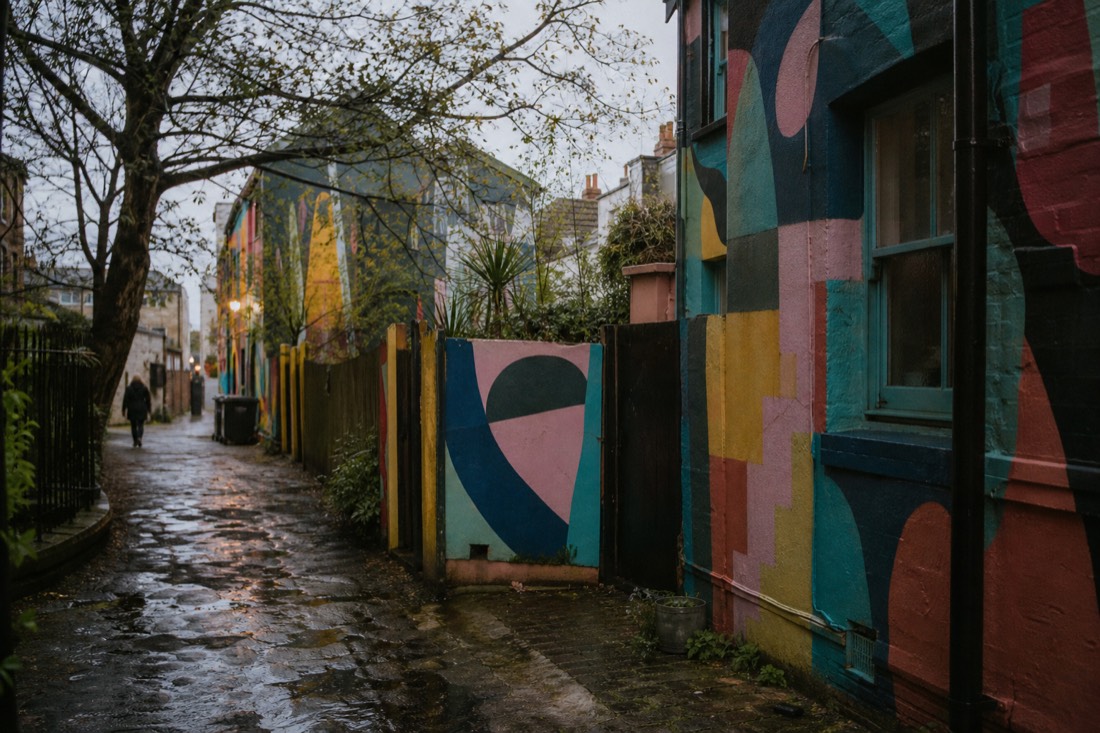
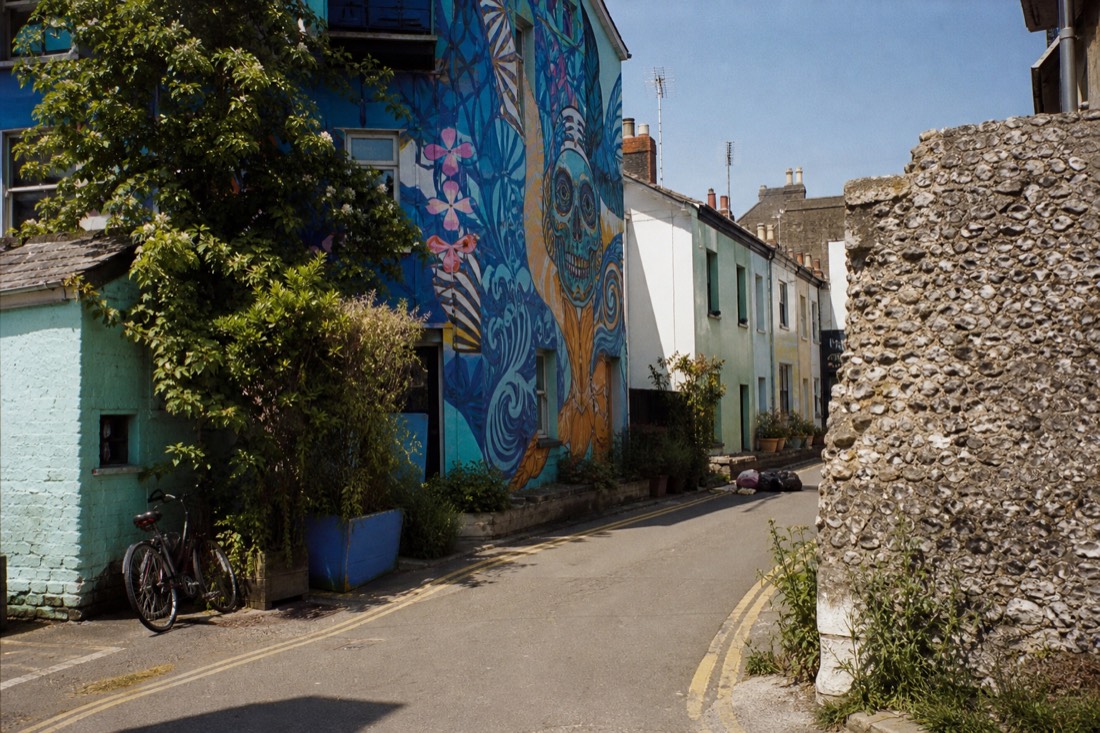
Brighton's best murals cluster in North Laine and along the edges of Kemptown, painted across shop shutters, gable ends and side walls. Trafalgar Street, Kensington Gardens and the lanes off London Road are the richest hunting grounds. It is a walking hunt with no fixed route, which is half the fun.
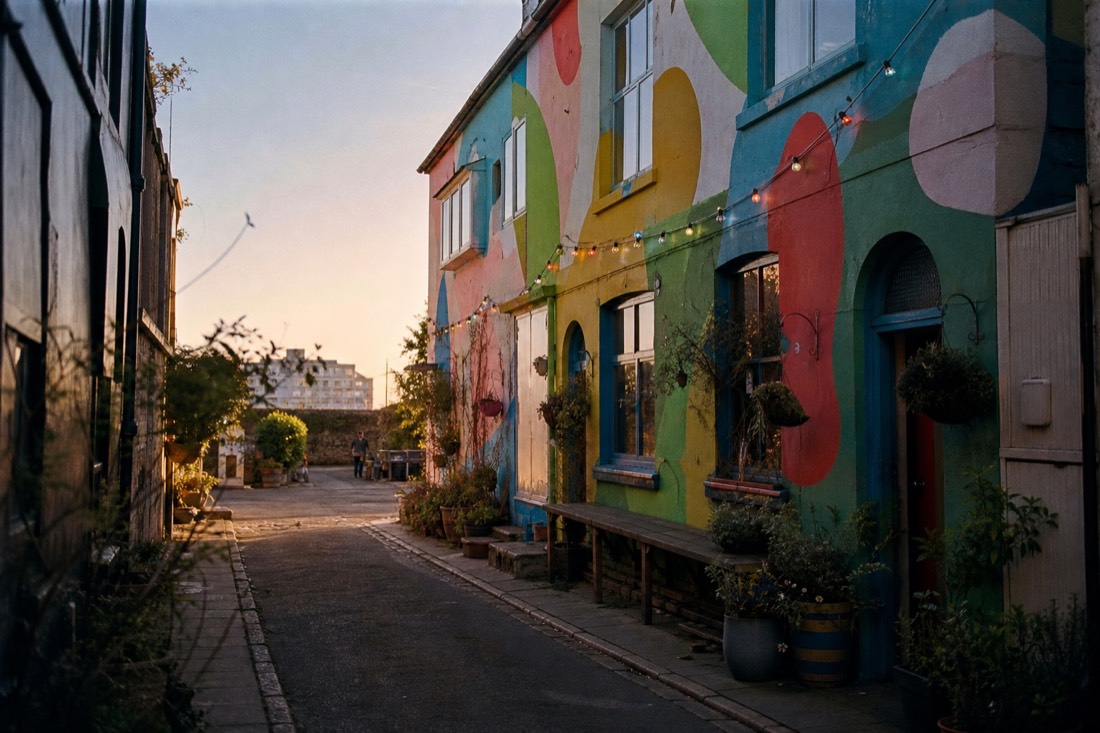
This is a town that has never minded a bit of paint on its walls. The character shifts street to street, from cartoonish shutters near the shops to larger commissioned pieces on the blank gable ends. I do not hand people a checklist for this, because the scene changes and pieces come and go. Wander North Laine with your eyes up, then cut east toward Kemptown for a second seam of it. The VisitBrighton site keeps trails current if you prefer a marked route, and my North Laine guide covers the shops and cafes.
Is Volk's Electric Railway Worth Riding?
Yes, if you like your history small and salty. Volk's Electric Railway runs along Brighton's eastern seafront and is the world's oldest operating electric railway, first opened in 1883 by inventor Magnus Volk. It is a short, slow, gloriously dated trundle between the Aquarium and the Marina, and it costs a few pounds.
This is my favourite kind of hidden gem, the sort that has been sitting there in the open for over a century while people walk straight past it to the pier. The little heritage cars rattle along beside the beach, and the whole trip is more about the fact of the thing than the distance covered. It runs seasonally, so check the timetable before you build a day around it. You can find current running days and fares on the Volk's Railway site. The open-top bus stops nearby at Paston Place, Stop 12, which is also the gateway to Kemptown, so the two pair naturally.
| What it is | The world's oldest operating electric railway |
|---|---|
| Opened | 1883, by inventor Magnus Volk |
| Runs | Along the eastern seafront, Aquarium to Marina |
| Season | Seasonal service; check the timetable before travelling |
| Nearest bus stop | Stop 12, Paston Place |
Why Is Kemptown The Local Favourite?
Kemp Town is Brighton's most characterful residential quarter, a run of cream-and-pastel Regency terraces east of the pier, with painted front doors, quiet garden squares and an easy, unbothered feel. It is the bohemian, LGBTQ-friendly heart of the city, and it rewards slow wandering more than any single sight.
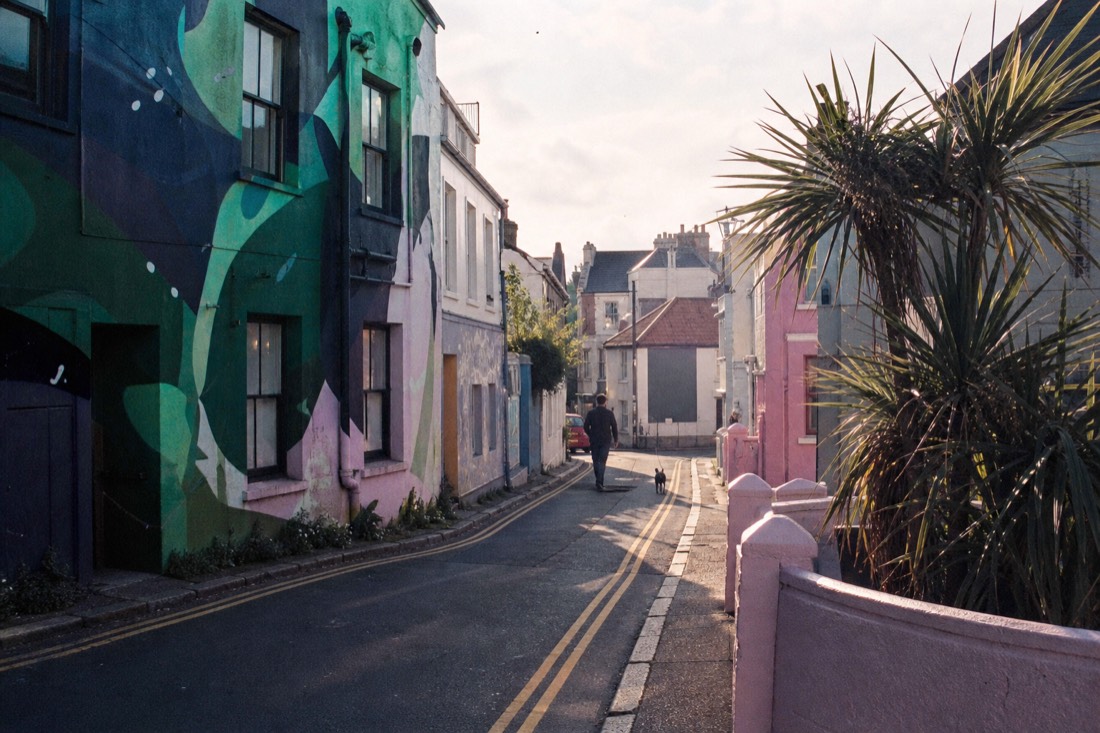
If the Lanes are Brighton's shop window, Kemptown is its living room. The grand crescents and squares were built in the Regency boom, and they have aged into something softer than the polished centre. Painted doors, cats in windows, corner cafes that know their regulars. My Kemptown guide goes deeper on where to eat. The bus reaches it at Stop 12, and from there the eastern seafront and Volk's Railway are a short stroll.
How Do You Link The Hidden Gems In One Day?
Chain them west to east: start at Seven Dials for coffee, drop down into the Lanes and North Laine for the twittens and street art, then ride east to Kemptown and Volk's Railway. On foot it is a long day. On the open-top loop it becomes a series of short, easy hops with the sights framed for you between stops.
Here is where the practical bit earns its keep. These corners are spread across the town, and the walk from Seven Dials to Kemptown with everything in between is a genuine slog on a hot day. Because the City Sightseeing loop touches all three clusters, you can treat it as a spine and get off wherever a street pulls you in. If you are lining up several of these, you can check live availability & prices on Viator before you set out. The ticket covering the ordinary city buses too means you are never far from a ride back to the pier.
Common Questions About Brighton's Hidden Gems
What is the most underrated thing to do in Brighton?
Ride Volk's Electric Railway along the eastern beach. It is the world's oldest operating electric railway, opened in 1883, and most visitors walk right past it to the pier. It is cheap, short and quietly charming.
Are Brighton's hidden gems walkable from the seafront?
Mostly, yes. Seven Dials, the Lanes and North Laine are a few minutes inland, and Kemptown and Volk's Railway sit along the eastern beach. The spread is wide, though, so the open-top loop saves your legs between clusters.
What is a twitten?
Twitten is a Sussex dialect word for a narrow alley squeezed between walls or buildings. Brighton's old town, the Lanes, is a network of them, too tight for cars and full of tucked-away shops and pubs.
Where is the best street art in Brighton?
North Laine and the streets around Kemptown hold the densest clusters, with murals on shutters and gable ends. Trafalgar Street and Kensington Gardens are good starting points. The scene shifts often, so wander with your eyes up.
Do the hidden gems cost anything to visit?
Seven Dials, the twittens and the street art are all free to wander. Volk's Railway charges a few pounds for a ride, and Kemptown costs nothing to stroll. The only real spend is coffee and whatever a shop window tempts you into.
Which bus stops reach the offbeat corners?
Seven Dials is Stop 5, the Lanes and North Laine sit by Stop 7 at the Jubilee Clock Tower, and Volk's Railway and Kemptown share Stop 12 at Paston Place. All three are on the single open-top loop.
Plan Your Next Step
Ready to turn the plan into a date? Check Fun, Flexible Treasure Hunt Around Brighton with Cryptic Clues & Hidden Gems for your travel day, then fit the untimed stops around it.
Choose What Fits Your Visit
- Fun, Flexible Treasure Hunt Around Brighton with Cryptic Clues & Hidden Gems: self-paced; verify current estimate on booking page phone-led route in central Brighton English mobile treasure maps, cryptic clues, self-guided outdoor route smartphone required, outdoor activity
- Brighton City Highlights Walking Tour: 1.5 hours outside Royal Pavilion Shop English live guide professional guided walk, central districts and hidden places outdoor route; prepare for changing weather
- Brighton City Sightseeing Hop-On Hop-Off Bus Tour: ticket valid 1 or 2 days board at listed Brighton route stops audio guide in English and six other languages hop-on hop-off route, headphones, unlimited Brighton & Hove bus services, listed attraction discounts dated service and seasonal frequency must be checked
Scheduled dates from Viator load automatically. Availability and final price are confirmed on Viator.