Kemptown Brighton: The Bohemian East Side, Village And Regency Terraces
East of the pier, Brighton loosens its collar. Kemptown is the city's bohemian quarter, all pastel terraces, corner delis and a village that runs at its own pace.
 Written with Oliver Bennett, Brighton bus tour guide & local sightseeing specialist
Short answer
Kemptown is Brighton's bohemian eastern quarter, east of the Palace Pier, known for pastel Regency terraces, independent cafes and bars, and a relaxed village feel along St George's Road. The wider area stretches to the Marina, and the open-top bus reaches it at Stop 12, Paston Place, near Volk's Electric Railway.
Walk east from the Palace Pier and Brighton's swagger settles into something gentler. The crowds thin, the seafront terraces turn cream and pale blue, and after a while you reach a stretch of shops where the butcher knows the regulars by name and the pub does not have a theme. This is Kemptown, the city's bohemian east side, and it is the part of Brighton that locals guard a little. Here is how the village fits the wider area, what to look for, and how the open-top bus drops you into it.
You can follow this guide independently. If you want the route, admission or local context arranged, compare the best-fit bookable option after the practical answer.
Booking Choice: The strongest paid match is explore on foot with a guide: it answers the main planning decision in this guide while the original article keeps the independent route usable. Explore The Brighton story - walking tour
Where Is Kemptown In Brighton?
Kemptown is the eastern quarter of Brighton, running from just east of the Palace Pier along the coast towards Brighton Marina. It covers the seafront, the shops and pubs of St James's Street and St George's Road, and the grand Regency terraces set back above the sea. The open-top bus reaches it at Stop 12, Paston Place, near the start of Volk's Electric Railway.
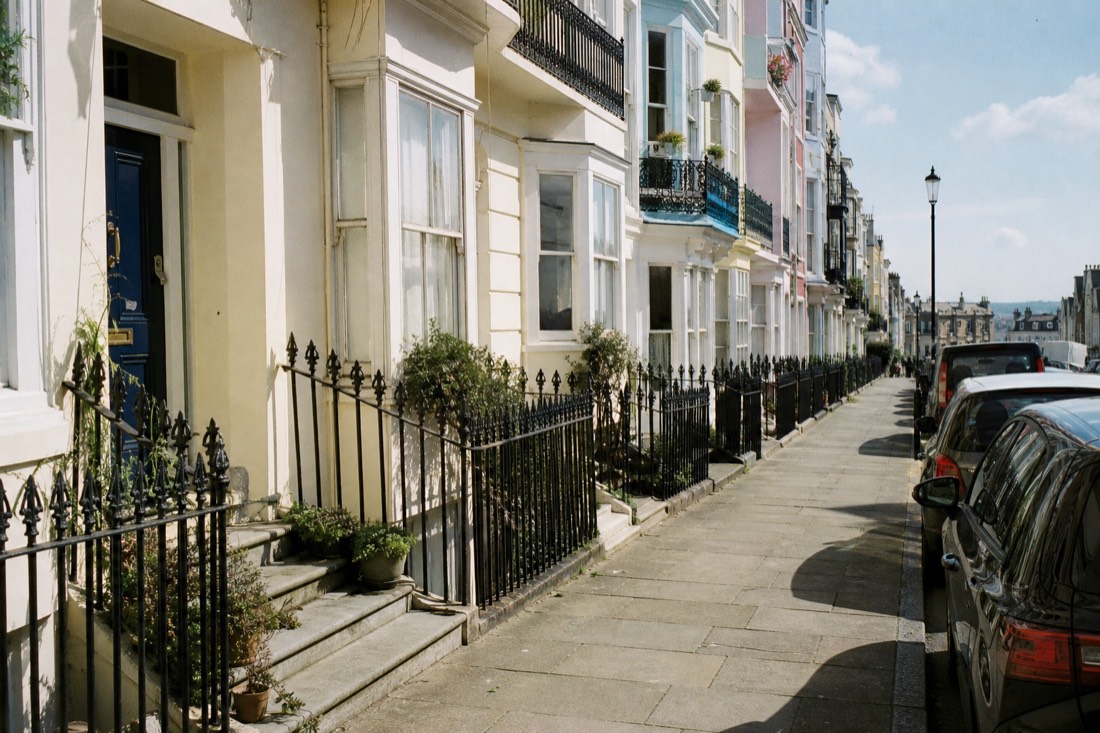
Geography explains a lot of Kemptown's character. It sits on the eastern flank of the city, climbing the slope between the seafront and the racecourse, so the light is different and the pace is slower than the centre. St James's Street is the busy artery just behind the pier, lined with cafes, corner shops and the heart of Brighton's LGBTQ+ scene. Further east, the mood turns residential and quieter, which is exactly why people who live here rarely feel the need to head into town.
What Is The Difference Between Kemp Town And Kemptown?
Kemp Town, two words, strictly means the Regency estate of grand cream terraces laid out in the 1820s: Sussex Square, Lewes Crescent, Arundel Terrace and their neighbours. Kemptown, one word, is the looser modern name for the whole eastern district around it, including the village, St James's Street and the run down to the Marina. Locals use both, often interchangeably.
The estate came first. The developer Thomas Read Kemp gave the area his name when he commissioned a sweep of stuccoed terraces above the sea, designed to rival the grandest addresses in Bath or London. Over time the name spread outward from those few streets to cover the whole eastern side of the city, and the spelling drifted into one word for the wider district. So when someone says they are "going to Kemptown," they usually mean the shops and the village, not the private garden squares. It is a small distinction that trips up first-time visitors, and one worth having straight.
| Where | Eastern Brighton, from just east of the Palace Pier to Brighton Marina |
|---|---|
| Kemp Town estate | Regency terraces: Sussex Square, Lewes Crescent, Arundel Terrace, Chichester Terrace |
| The village | Independent shops, cafes, delis and pubs along St George's Road |
| Main street | St James's Street, running behind the seafront from the pier |
| Nearest bus stop | Stop 12, Paston Place, near Volk's Electric Railway |
| Good for | A slower half-day: browsing, coffee, Regency architecture, a seafront stroll |
What Can You Do In Kemp Town Village?
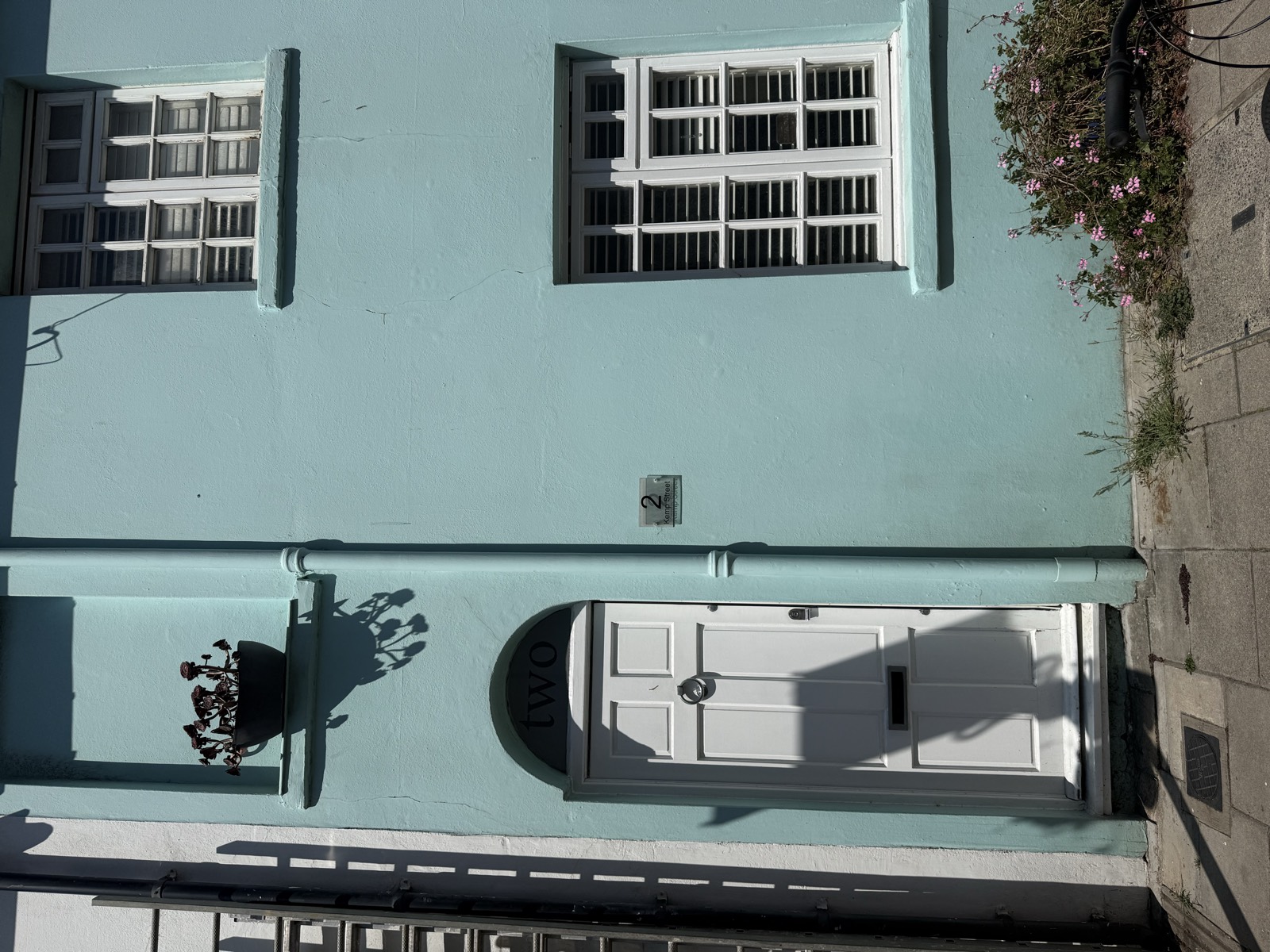
Kemp Town village runs along St George's Road, a low-key high street of independent shops, delis, bookshops, cafes and old-school pubs rather than chains. It is a browsing-and-coffee kind of place, best enjoyed slowly. Combine an hour there with the pastel terraces nearby and the seafront below, and you have a relaxed half-day away from the main tourist crush.
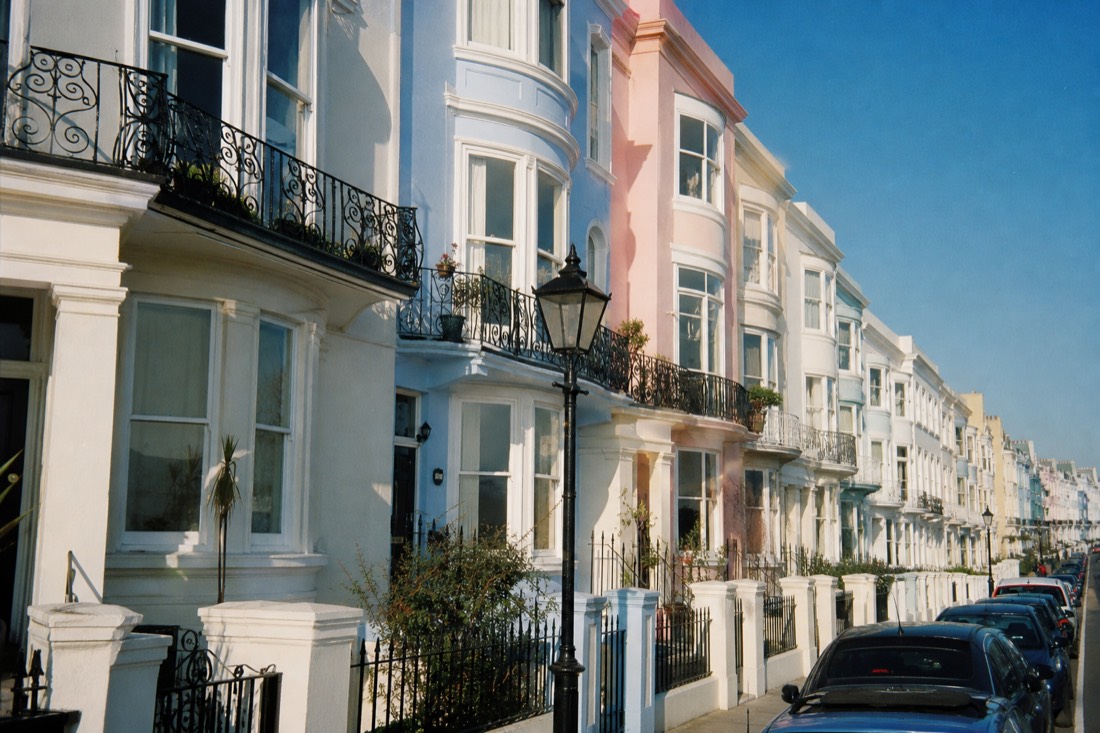
The village is small enough to walk end to end in a few minutes, which is the appeal. There is no single headline sight, so the pleasure is in the drift: a greengrocer, a couple of vintage sellers, a fishmonger, a bakery, and pubs that fill with locals rather than stag parties. St James's Street closer to the pier is busier and more mixed, and it carries a lot of the city's queer nightlife and cafe culture. If you want a sense of how Brighton actually lives, rather than how it performs for a day trip, this is the quarter to wander. The City Sightseeing bus reaches the eastern edge of it, so you can ride out, walk the village, and pick the loop back up when your feet have had enough.
What Are The Kemp Town Regency Terraces?
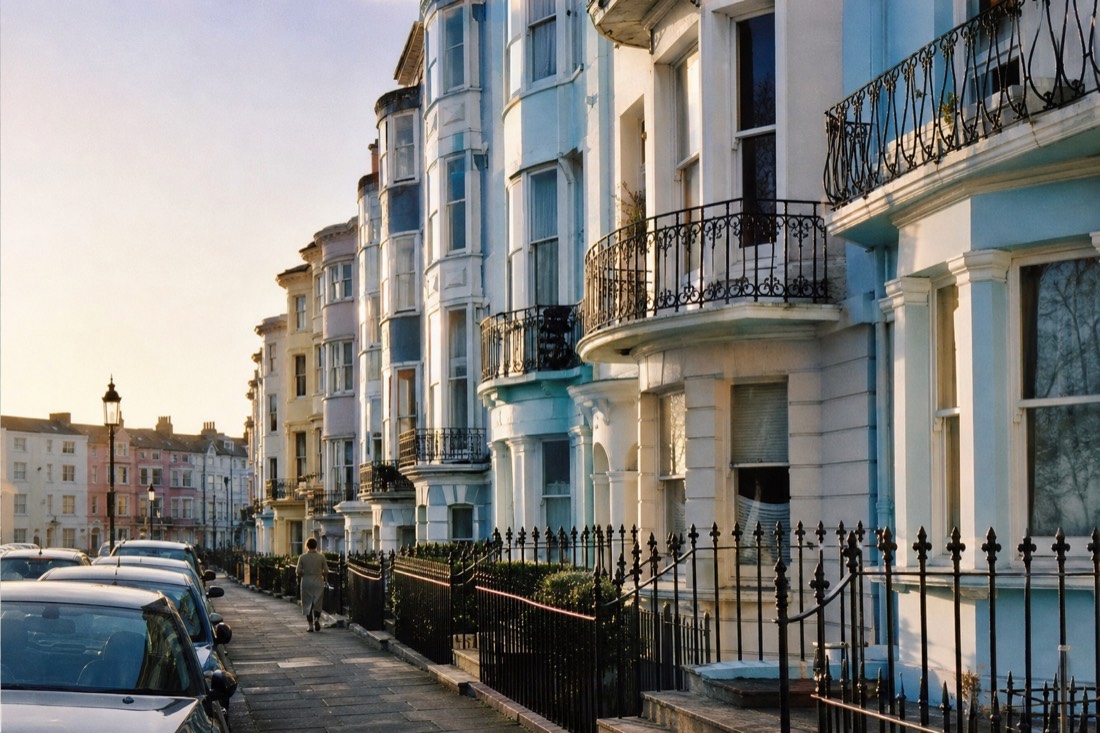
The Kemp Town estate is one of England's finest sets of Regency architecture: long, curving terraces of cream stucco built in the 1820s and 1830s above the sea. Sussex Square and Lewes Crescent form a vast oval with private gardens at the centre, and the scale is deliberately theatrical. You can admire the fronts freely from the street, though the enclosed gardens are private.
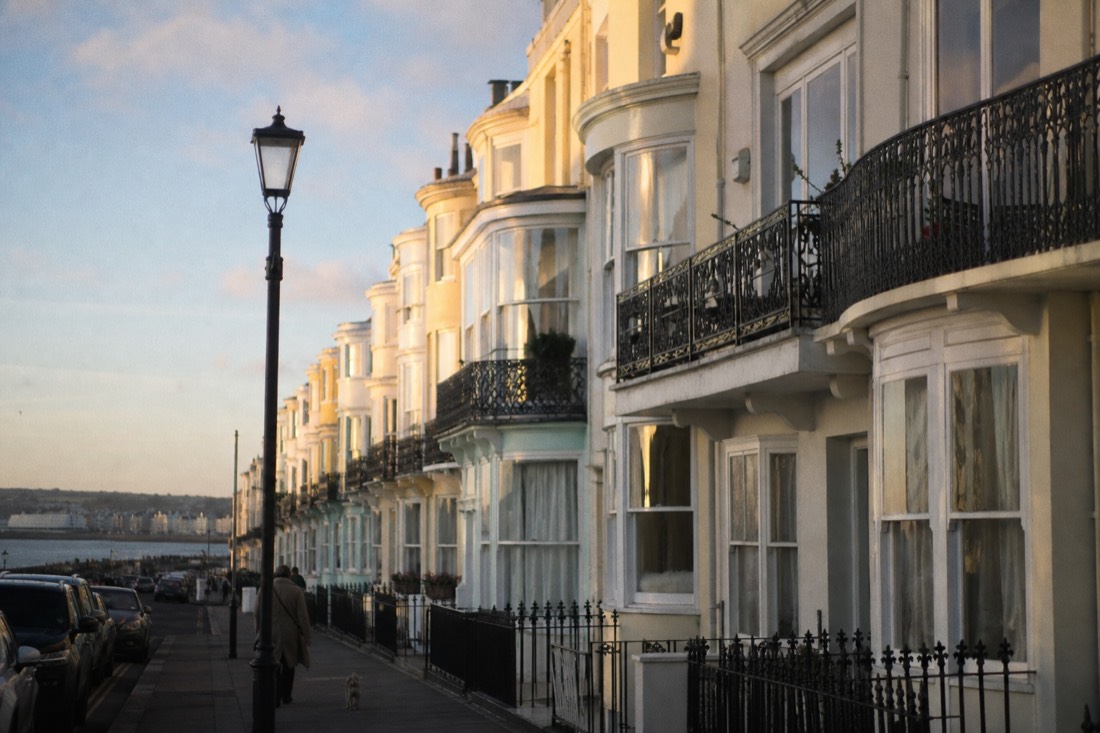
Stand in the middle of Lewes Crescent and the ambition is obvious. These were speculative grand houses aimed at wealthy Georgians who wanted the sea air with none of the seaside rough edges. The terraces sweep in a broad curve, uniform and pale, with the private lawns of the Kemp Town Enclosures dropping towards the coast. There is a literary footnote worth knowing: Lewis Carroll stayed regularly in Sussex Square, and a tunnel still runs under the road down to the seafront gardens. You cannot go into the private squares, but the architecture reads best from the pavement anyway, and it is a genuinely different Brighton from the fairground colour of the pier.
How Do You Get To Kemptown On The Open-top Bus?
The open-top hop-on hop-off bus stops at Stop 12, Paston Place, on the eastern seafront, which is the closest stop to Kemptown and to Volk's Electric Railway. From there it is a short walk uphill into the village or east along the coast. The full loop takes about 50 minutes, and one ticket also covers unlimited travel on Brighton and Hove city buses.
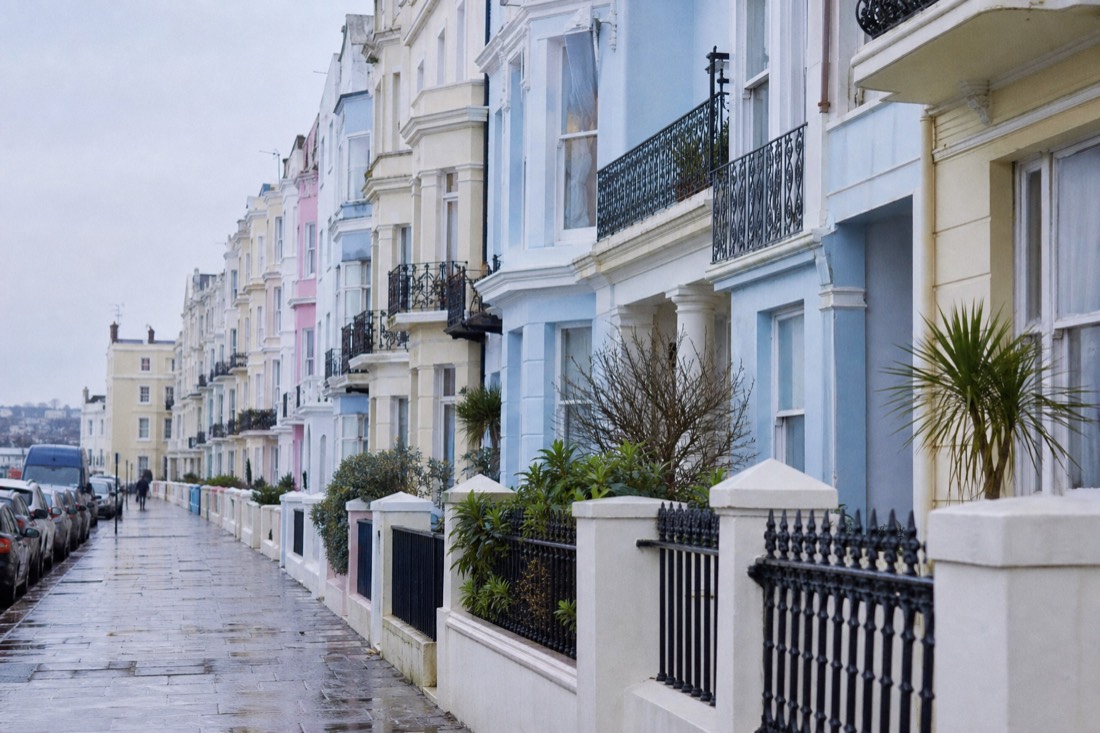
Paston Place sits on the seafront below the village, so plan for a short climb up to St George's Road. The stop is handy because it lines up two things at once: Kemptown itself, and the start of Volk's Electric Railway, the world's oldest operating electric railway, which trundles along the beach towards the Marina. If you are combining Kemptown with a seafront day, that is a neat pairing. Ride out on the bus, wander the village, take Volk's along to Brighton Marina, and loop back. Because the tour ticket also acts as a normal bus pass, you are not locked to the open-top timetable if the sea breeze turns cold.
| Detail | What to expect |
|---|---|
| Nearest stop | Stop 12, Paston Place, eastern seafront |
| Walk to the village | A few minutes uphill to St George's Road |
| Full loop time | About 50 minutes without hopping off |
| Frequency | Every 30 minutes in high summer, hourly in the shoulder season |
| Ticket extra | Also covers unlimited Brighton and Hove city buses |
| Next door | Volk's Electric Railway to the Marina; the racecourse above |
You can see the wider picture on the route and stops guide, and if you are weighing it up, check live availability & prices on Viator before you travel. For the area itself, the official VisitBrighton guide to Kemptown and the Kemptown background on Wikipedia fill in more history than a bus stop allows.
Common Questions About Kemptown
Is Kemptown worth visiting in Brighton?
Yes, if you want a slower, more local Brighton. There is no single big attraction, so it suits browsing, coffee and Regency architecture rather than ticking off sights. Combine the village, the terraces and the seafront for a relaxed half-day away from the pier crowds.
How far is Kemptown from Brighton Palace Pier?
Kemptown starts just east of the Palace Pier and stretches towards the Marina. St James's Street is a few minutes' walk from the pier, while the village around St George's Road is a longer stroll or one stop east on the open-top bus at Paston Place.
Can you visit the Kemp Town Regency squares?
You can admire the terraces of Sussex Square, Lewes Crescent and Arundel Terrace freely from the street, and the architecture reads best from the pavement. The enclosed private gardens at their centre, the Kemp Town Enclosures, are for residents and are not open to the public.
What is the difference between Kemp Town and Kemptown?
Kemp Town, two words, is the original Regency estate of grand cream terraces. Kemptown, one word, is the wider eastern district that grew around it, including the village and St James's Street. Locals use both names, and in practice they overlap.
How do you get to Kemptown by bus?
The open-top hop-on hop-off bus stops at Paston Place, Stop 12, on the eastern seafront, near Volk's Electric Railway. From there walk uphill into the village. The ticket also works as a normal pass on Brighton and Hove city buses if you prefer a covered ride.
Plan Your Next Step
Have a travel date in mind? Check the current schedule for explore on foot with a guide before you lock in the rest of your Brighton plan.
Choose What Fits Your Visit
- The Brighton story - walking tour: about 1 hour 30 minutes central Brighton meeting point shown at booking English local guided walk, Royal Pavilion, Old Town, beach and North Laine route outdoor walking required
- City Sightseeing Brighton Hop-On Hop-Off Bus Tour: about 50 minutes for one loop; ticket valid 1 or 2 days board at any listed route stop audio guide in English and six other languages unlimited hop-on hop-off access, audio commentary, unlimited Brighton & Hove bus travel seasonal open-top service; check dated availability
- Brighton City Highlights Walking Tour: 1.5 hours outside Royal Pavilion Shop English live guide professional guided walk, central districts and hidden places outdoor route; prepare for changing weather
Scheduled dates from Viator load automatically. Availability and final price are confirmed on Viator.