Things To Do In Hove: Brighton's Calmer, Elegant Neighbour
Hove wears its Regency good looks quietly, and I send visitors west along the seafront when they want the elegant, unhurried side of the city.
 Written with Oliver Bennett, Brighton bus tour guide & local sightseeing specialist
Short answer
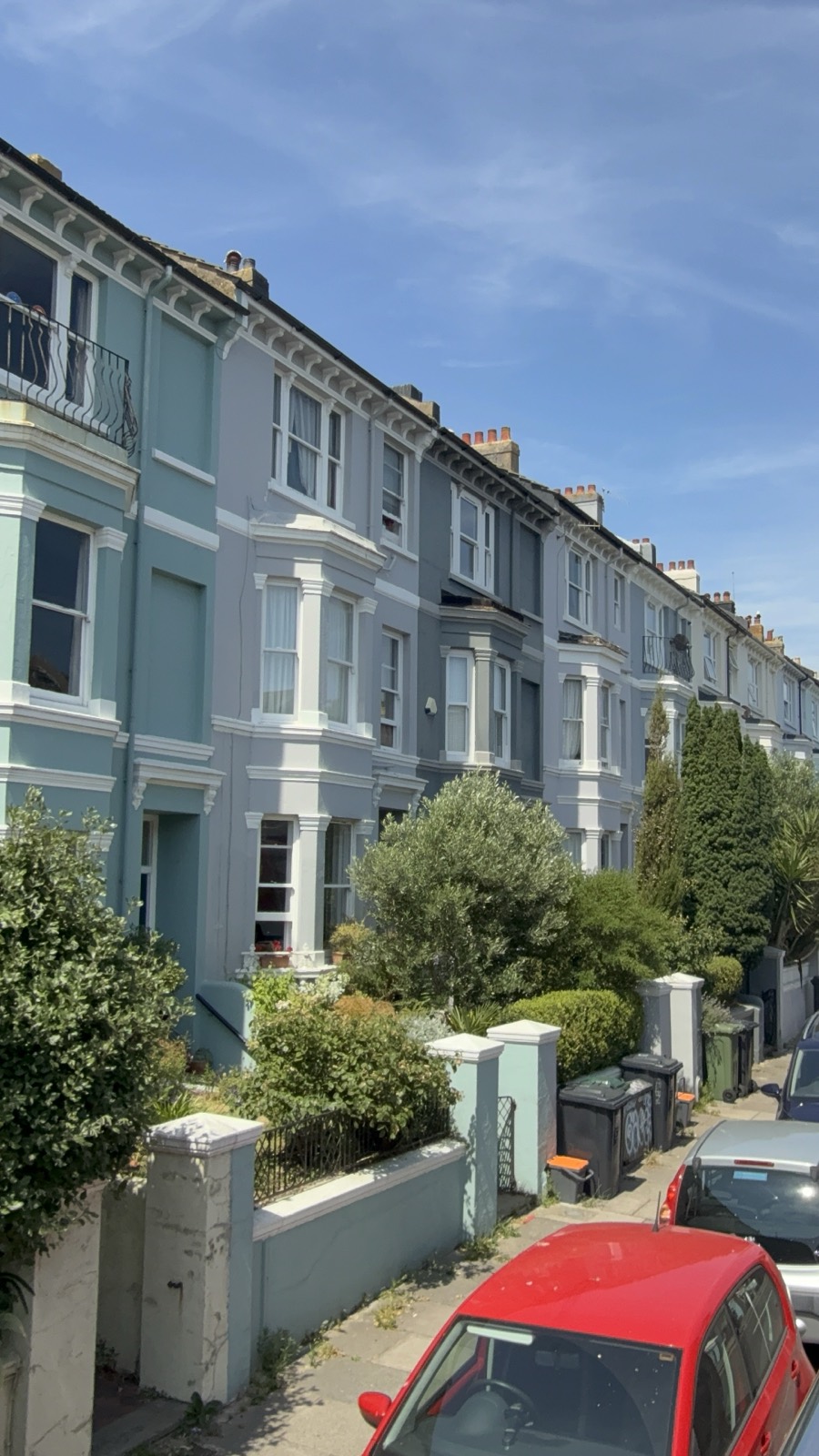
Hove is Brighton's calmer western neighbour: cream Regency squares, wide seafront lawns and rows of painted beach huts instead of the arcades and crowds. It shares a city with Brighton but keeps a slower pace, and the open-top bus reaches its western end at Stops 3 and 4, near Palmeira Square.
Cross the invisible line where Brighton becomes Hove and the volume drops. The arcades and doughnut stands give way to cream terraces, wide lawns and a seafront where the loudest sound is often a dog on the shingle. Locals used to answer "Brighton?" with a dry "Hove, actually," and the joke stuck because it carries a grain of truth. This is the same city, but the western half keeps a slower, more composed pace. I walk visitors here when they have done the pier and want somewhere to breathe.
Hove rewards a free, slow walk through its squares, lawns and beach huts. The sightseeing loop is useful when you want to pair that western end with Brighton’s pier, Pavilion and Marina.
Booking Choice: Hove is Brighton's calmer western neighbour: cream Regency squares, wide seafront lawns and rows of painted beach huts instead of the arcades and crowds. It shares a city with Brighton but keeps a slower pace, and the open-top bus reaches its western end at Stops 3 and 4, near Palmeira Square. Explore City Sightseeing Brighton Hop-On Hop-Off Bus Tour
What Are The Best Things To Do In Hove?
Hove is about strolling more than ticking off sights. The highlights are the Regency set pieces (Brunswick Square and Palmeira Square), the long green lawns above the beach, the rows of painted beach huts, and a seafront promenade that runs unbroken back into Brighton. It rewards a slow morning rather than a rushed checklist.
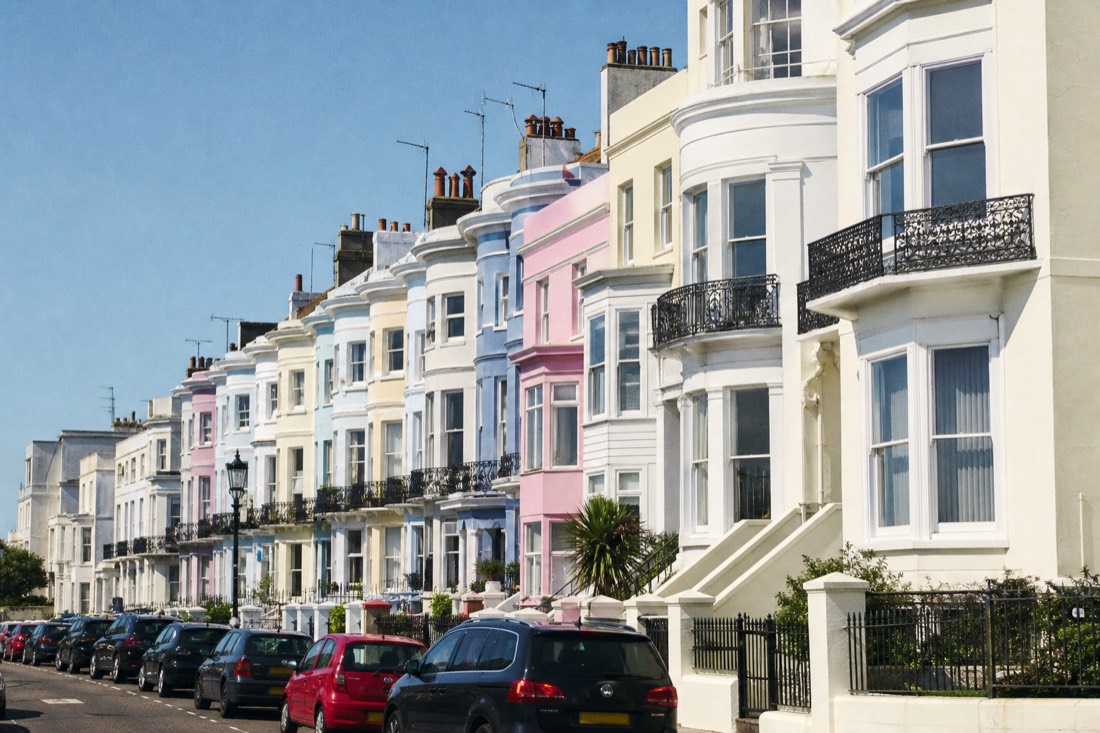
Do not come to Hove expecting a big-ticket attraction with a turnstile. Its pleasure is quieter. You wander the garden squares, sit on the lawns, walk the prom past the beach huts, and drop into an independent cafe or the antiques shops on Church Road. The beach here is calmer than Brighton's central stretch, with fewer crowds and the same clean shingle. If your legs give out, the promenade links straight back east to the i360 and the pier, so Hove works well as the far, restful end of a seafront walk.
For a wider read on the whole seafront, the pier and the beaches, Brighton's beach and seafront guide covers the eastern half, and the two stretches join up as one continuous walk.
What Is The Difference Between Hove And Brighton?
Brighton and Hove are one city, joined in 1997, but they feel different. Brighton is the louder half: the pier, the Lanes, the nightlife, the arcades. Hove is the calmer, more residential western side, built around Regency and Victorian squares, with wide lawns, beach huts and a quieter beach. Many visitors do Brighton by day and retreat west to Hove to unwind.
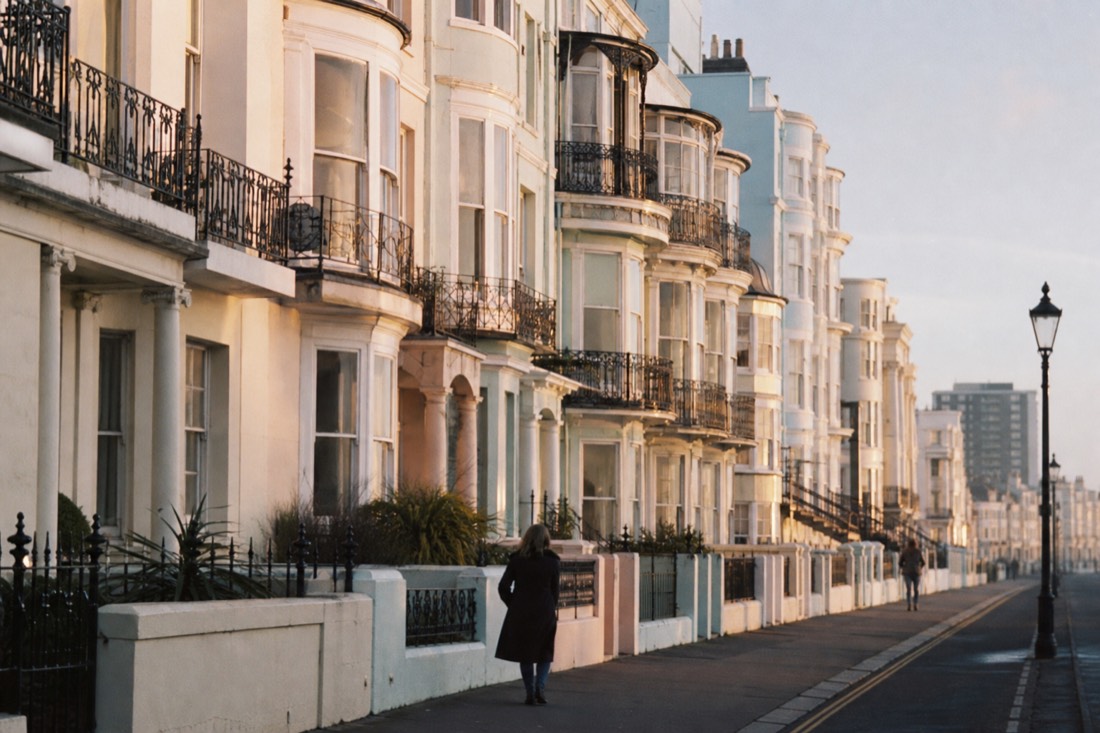
The border is genuinely blurred. There is no gate, no sign that stops you, just a gradual shift from bustle to composure somewhere around the i360 and Brunswick Town. Property is generally pricier in Hove's seafront squares, the streets are leafier, and the pace is domestic rather than touristy. If Brighton is the day out, Hove is where you would want to stay the night.
| Brighton (east) | Hove (west) | |
|---|---|---|
| Feel | Busy, playful, crowded | Calm, elegant, residential |
| Draws | Palace Pier, the Lanes, arcades, nightlife | Regency squares, lawns, beach huts, cafes |
| Beach | Central, lively, packed in summer | Quieter shingle, more space |
| Architecture | Mixed, Victorian seafront, quirky | Cream Regency and Victorian terraces |
| Best for | Sightseeing and buzz | Slowing down, a stroll, a good coffee |
If you are weighing where to base yourself for a trip, the where to stay in Brighton guide breaks down the neighbourhoods, Hove included, by budget and vibe. VisitBrighton also treats the two as one destination across the city, which is the honest way to plan a visit.
How Do You Get To Hove On The Open-top Bus?
The City Sightseeing open-top loop reaches Hove at its western end, stopping at Stop 3 (407 Grand Avenue) and Stop 4 (Palmeira Square). From the main boarding point at Palace Pier it is a short ride west along the seafront. Hop off at Stop 4 for Palmeira and Adelaide Crescent, wander, then catch a later bus back east to the pier.
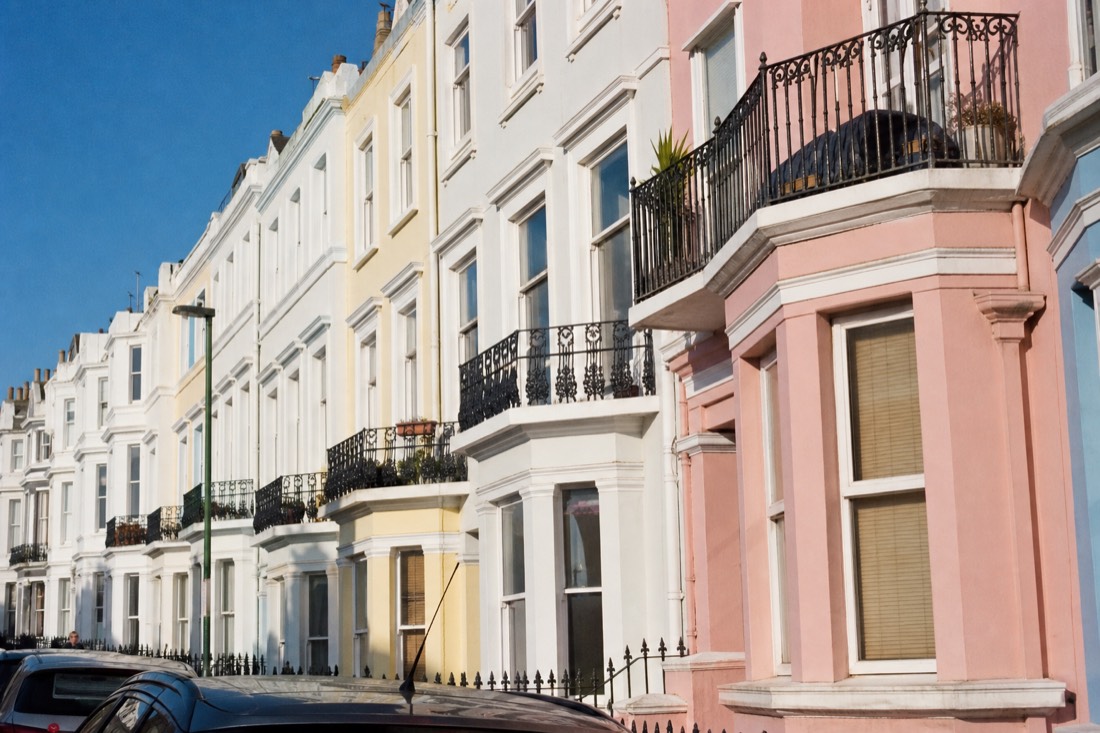
Hove sits at the far, quieter end of the City Sightseeing route, which is exactly why the hop-on hop-off ticket suits it. You get off for the squares and the lawns, take your time, and rejoin without retracing your steps on foot. The same ticket also covers the ordinary Brighton & Hove city buses, so you are never stuck waiting for one particular vehicle. You can check live availability & prices on Viator before you set out.
| Hove bus stops | Stop 3 (407 Grand Avenue), Stop 4 (Palmeira Square) |
|---|---|
| From the pier | West along the seafront, near the start of the loop |
| Full loop | Around 50 minutes end to end, 12 stops |
| Ticket also covers | Unlimited Brighton & Hove city buses |
| Best hop-off | Stop 4 for Palmeira Square, Adelaide Crescent and the lawns |
The open-top upper deck is the seat to grab for this stretch, since the run west hugs the seafront and the Regency frontages line up on your right. Note the open top is seasonal and stairs-only up top; the lower deck is step-free if you need it. Full frequency and season detail sits in the route and stops guide.
What Are Hove's Regency Squares And Lawns?
Hove's showpieces are its garden squares: Brunswick Square, with its cream terraces stepping down to the sea, and Palmeira Square, opening into the graceful curve of Adelaide Crescent. Between the squares and the beach run the Hove Lawns, a wide green ribbon of grass that locals use for picnics, ball games and slow seafront walks.
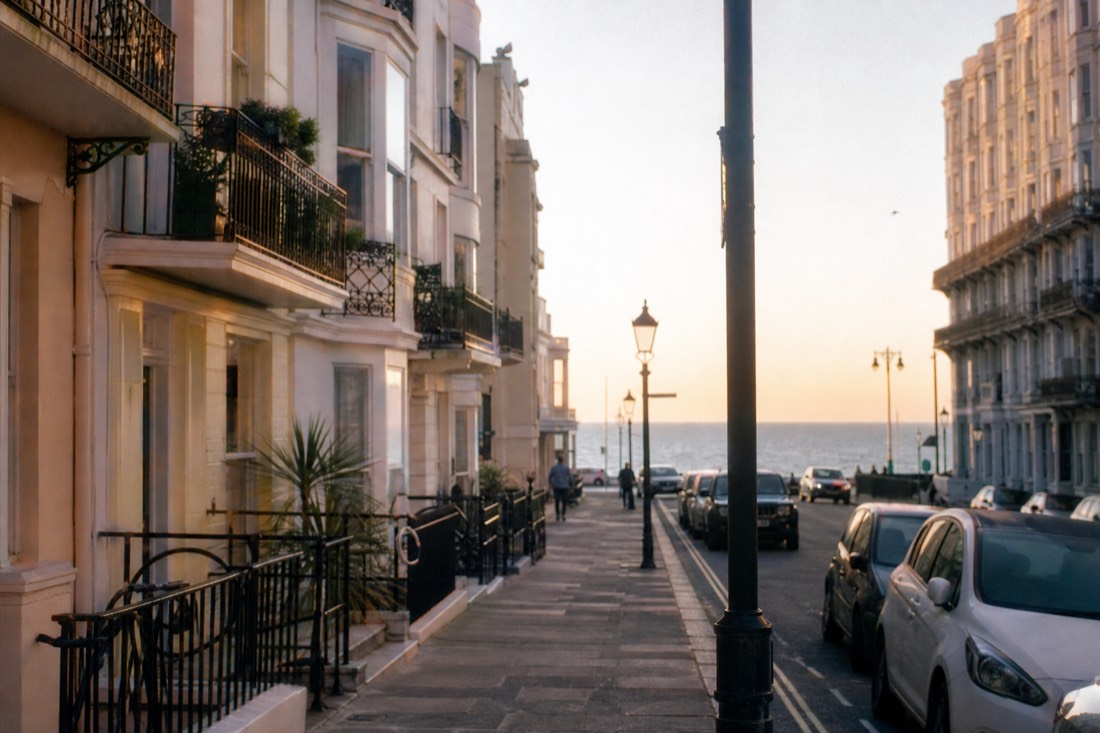
Brunswick Town was built in the 1820s and 1830s as a fashionable estate, and it still reads as a complete Regency composition: tall stuccoed houses framing a central garden that drops towards the water. Palmeira Square and Adelaide Crescent, a little further west, do something similar on a grander, curving plan. You do not need a ticket for any of it. The pleasure is simply walking through, looking up at the ironwork balconies, then crossing to the lawns.
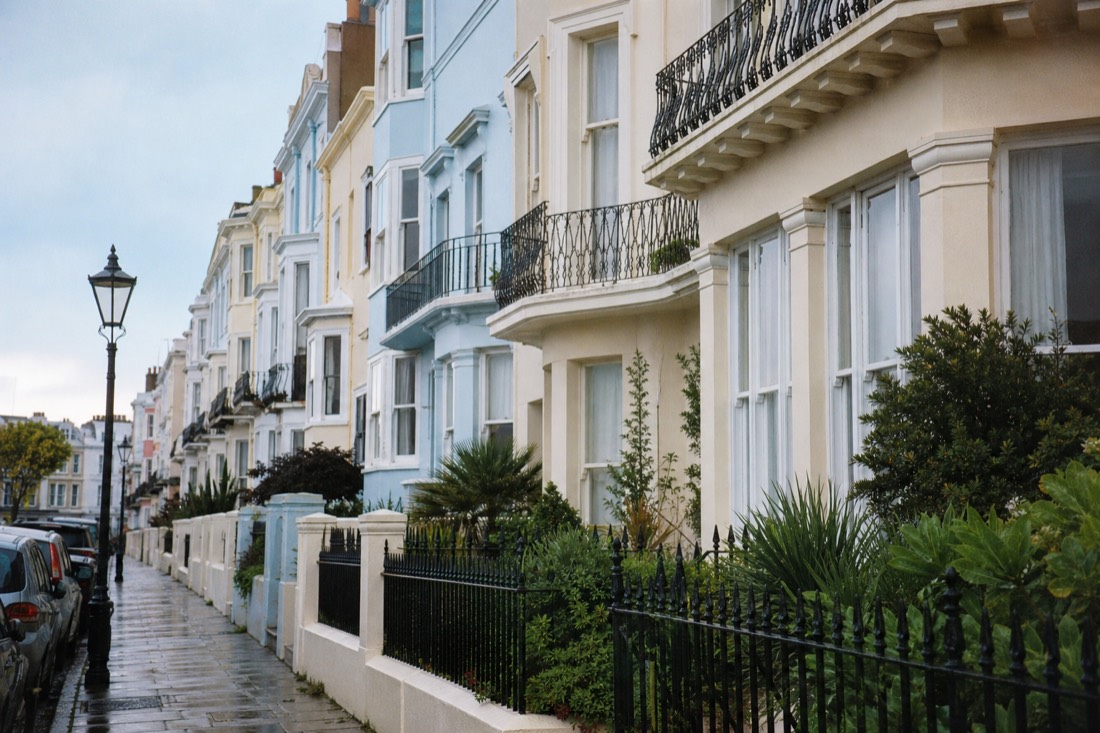
The Hove Lawns are the social heart of the western seafront. On a warm weekend they fill with families, but even then they feel roomy compared with Brighton's packed central beach. This is prime open-top territory, and the same pastel Regency look appears in pockets across the city, from these squares to the colourful streets near the Lanes.
Where Are Hove's Beach Huts And Beach?
Hove's beach huts line the promenade along the Lawns, west of the i360, in bright painted rows that are one of the city's most photographed sights. The beach below is the same clean shingle as Brighton's but calmer and less crowded. The promenade runs level and unbroken, so you can walk from the huts back east to the i360 and the pier without leaving the seafront.
The huts are privately owned and much loved, changing hands rarely and for surprising sums. You cannot go inside, but the painted doors and the long receding line of them make the walk. Bring something to sit on if you want the beach itself, as it is shingle rather than sand, and the water shelves quickly. Public loos and a scatter of cafes sit along the prom.
From the beach huts it is an easy, flat walk east to the British Airways i360, which marks the rough boundary between Hove's calm and Brighton's bustle. The regular seafront buses and the open-top loop both run this line, and the operator's own City Sightseeing pages list the current stops if you want to plan the hop-offs in advance.
Common Questions About Hove
Is Hove worth visiting separately from Brighton?
Yes, if you want the calmer side of the city. Hove has no single big attraction, but its Regency squares, lawns and painted beach huts make a relaxed half-day. Many visitors pair a busy Brighton morning with a quieter Hove afternoon.
How far is Hove from Brighton?
There is no real gap. Brighton and Hove are one joined city, and the seafront runs unbroken between them. The rough border sits around the i360. On the open-top bus, Hove's stops are the two most westerly on the loop.
Can you walk from Brighton to Hove along the seafront?
Easily. The promenade is level and continuous from Brighton's pier past the i360 to Hove's beach huts and lawns. It is a pleasant flat walk of around 30 to 40 minutes, or a few minutes on the open-top bus if your legs are tired.
Which bus stop is best for Hove?
Stop 4 (Palmeira Square) is the best hop-off for the Regency squares, Adelaide Crescent and the lawns. Stop 3 (407 Grand Avenue) works for the western seafront. Both are the loop's most westerly points.
What is there to do in Hove with kids?
The wide Hove Lawns are made for ball games and picnics, and the beach and painted huts give an easy afternoon. It is calmer than Brighton's central beach, with more space to spread out, though the pier's arcades stay back east in Brighton.
Plan Your Next Step
Have a Brighton date in mind? Check whether the Brighton sightseeing loop fits the guide’s main plan before arranging the rest of the day. If it does not, keep the independent route above.
Choose What Fits Your Visit
- City Sightseeing Brighton Hop-On Hop-Off Bus Tour: about 50 minutes for one loop; ticket valid 1 or 2 days board at any listed route stop audio guide in English and six other languages unlimited hop-on hop-off access, audio commentary, unlimited Brighton & Hove bus travel seasonal open-top service; check dated availability
- The Brighton story - walking tour: about 1 hour 30 minutes central Brighton meeting point shown at booking English local guided walk, Royal Pavilion, Old Town, beach and North Laine route outdoor walking required
- Brighton Coastal Bike Tour: about 2 hours 30 minutes Brighton Unitarian Church, New Road English local guide, bicycle, helmet not wheelchair accessible, maximum 40, food and drink excluded
Scheduled dates from Viator load automatically. Availability and final price are confirmed on Viator.